
All costs relating to room, boarding, nursing expenses, medical consultation including telemedicine, consumables such as PPE kits and intensive care unit will be covered under the policy. It will also include the cost of treatment for any other co-morbidities, including pre-existing comorbid conditions along with the treatment for Covid-19.

Non-life insurers can sell both, benefit-based and indemnity-based short-term health covers.

A knee-jerk reaction, they said, could be detrimental to the fortunes of an industry that is highly dependent on the country given the huge competitive advantage it offers, in terms of cost and speed.
For new customers, the insurer has reduced the waiting period from 30 days to 15 for Covid-related claims with no increase in premium.

To be able to tide over the current crisis, automobile manufacturers have waged a war against all cost heads.

The new draft guidelines issued by IRDAI proposes a minimum sum assured of Rs 50,000 and a maximum of Rs 5 lakh. A General Insurance Council official said the guidelines were still being worked on and would only be finalised next week.

SBI is expected to mop up almost $202 million via the share sale.

From auto, refrigerator, and mobile handset makers to real estate firms, companies are tying up with banks to dole out attractive finance schemes and discounts to make buying more affordable.
In a circular dated May 20, Sebi had directed the listed companies to evaluate the impact of Covid-19 on their capital and financial resources, profitability, liquidity position, assets, and ability to service debt. Instead, companies have spoken about the number of plants, warehouses and distribution centres that have resumed operations; work-from-home and safety measures undertaken for employees; and the labour shortage they are facing.
Following suggestion from Minister for Roads Nitin Gadkari, Centre seeks ideas from IRDAI and General Insurance Council on feasibility of providing insurance cover for retrenchment.

Unlike other health insurance policies, which mostly covers hospitalisation expenses alone, the specialised cover is likely to include the cost of treatment during quarantine and payment of cash for incidental expenses.

After the easing of lockdown in mid-May, auto companies were able to resume production in a phased manner, but the ramp-up was slow due to a broken supply chain, and lockdown-induced restrictions.
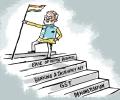
With vehicular activity picking pace in May, toll collection also saw a huge uptick. Fastags posted an impressive jump of more above 400 per cent in transaction count at 55.17 million, and an over-300 per cent jump in value at Rs 1,142 crore.

For smaller MFIs, resuming operations is more difficult because they haven't got any fresh bank credit sanctioned from their lenders.

Scores of employees took to social media to express disappointment and said they were asked to resign over WhatsApp calls. On Twitter, some said they had been asked to resign by May 31 and that there was no severance package and salary would be paid only for May.

In HDFC Life, the company has to pare 1.43 per cent, and in HDFC Ergo, it has to pare only 0.58 per cent.
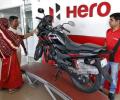
Besides regular buyers, there is lot of interest among those in essential services, such as health, banking, and IT. The sales will be helped by social distancing becoming the new normal in both urban and rural regions as people will be averse to using public transport.

Hotels are using a combination of platforms to reach out to the guests. These include online travel agents among others. hotels in India are offering guests an option to pay now and stay later.

A clutch of automakers including Maruti Suzuki, Hero MotoCorp, Mercedes Benz India, Eicher Motors, TVS Motor, and Isuzu Motors India announced they had got the clearance from the governments of the states they operate in to resume operations.

Such cold-shoulder by banks also indicates a credit freeze that is hard to overcome, unless the government comes out with credit guarantee schemes for loans given by banks. Since that is not happening, and there is no indication of that too, banks are not willing to listen to RBI prodding.
 © 2026 Rediff.com - Investor Information - Advertise with us - Disclaimer - Privacy Policy - Sitemap - Feedback - About us - Terms of use - Grievances